







Search Results for: grind setting adjustment
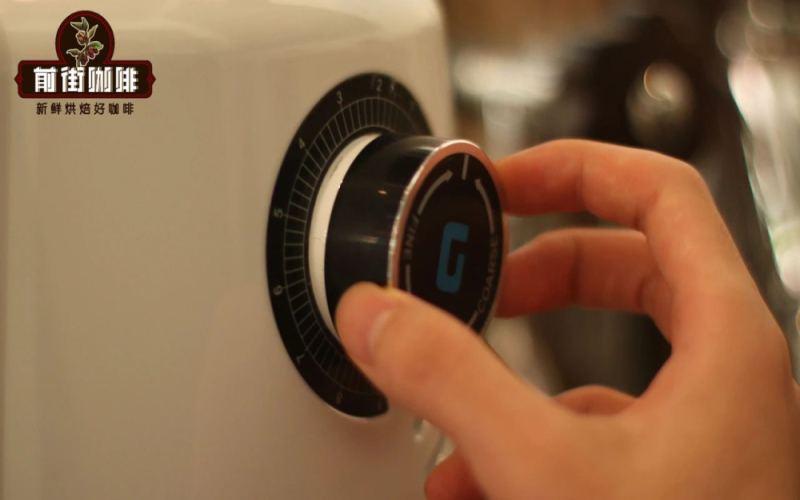
A Complete Guide to Grind Settings for Pour-Over and Espresso: From the Principles of Grind Adjustment to Practical Operation of Electric Grinders
Why must coffee shops adjust their coffee grinder every day? Because the humidity of the coffee beans, storage time, and even subtle changes in air pressure, temperature, and humidity are all magnified under high-pressure extraction, directly affecting the quality of the final cup. Starting from the principles of grinding, this article explains in detail how the spacing of the burrs determines particle size and water flow rate, and teaches you to judge whether the grind is appropriate by observing the texture of the powder; it also provides a complete set of adjustment steps from traditional manual coffee grinders to electric coffee grinders, including the linked relationship between output volume and grind degree, and the optimal distance between the puck and the spout, and other practical parameters. No matter what equipment you use, only by mastering these adjustment principles can every cup of espresso consistently present the ideal flavor. [more…]
A Complete Guide to Adjusting the Grind Setting on an Electric Espresso Grinder: Step-by-Step Breakdown and Practical Tips
Why does a coffee shop need to adjust the grinder every day? How does grind size affect extraction? Starting from the principles of grinding, this article systematically explains how to adjust the settings on an electric espresso grinder, including how to judge the quality of the grounds, the specific operating steps, the relationship between the output and the grind setting on an electronic grinder, and practice suggestions for the water-to-coffee ratio. Whether you are a new barista or a seasoned enthusiast, you can find practical adjustment ideas here to make every shot of espresso consistently excellent. [more…]
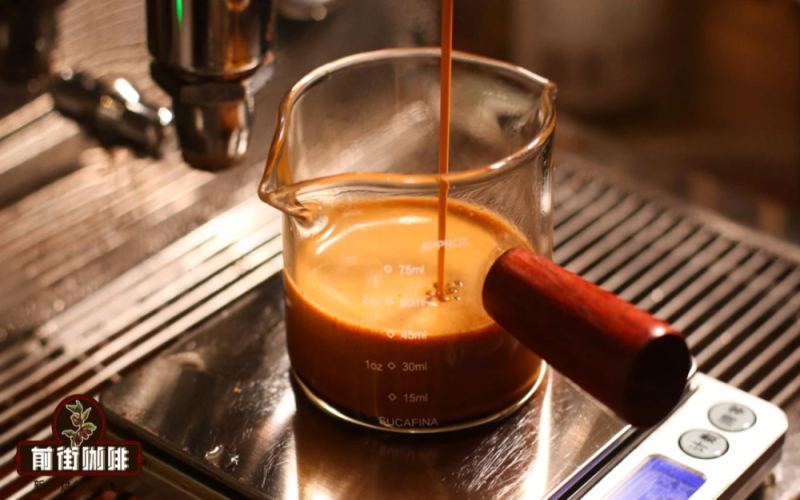
How to Set the Grind Setting for Espresso Beans? A Practical Method for Judging Grind Fineness from Extraction Time and Flavor
Espresso grind size falls between flour and table salt and cannot be judged by the naked eye, but the coarseness of the coffee grounds directly determines the flow rate, so you can work backward to whether the setting is appropriate by observing the extraction time. This article starts from the definition of espresso, sorts out the relationship between grind size and extraction time, explains how to set a target ratio of coffee to liquid, fix pressure and water temperature, and then adjust grind size to reach the target time. It also uses Front Street Coffee's Colombia Sidra coffee beans as a tuning example, showing the adjustment process from 34 seconds—slow with a bitter taste—to 30 seconds with a clear aroma. Finally, it emphasizes that after confirming the grind size, you still need to judge by tasting whether there are defective flavors, and if necessary, make minor adjustments to the dose or parameters. [more…]

How do you adjust the grind setting on an espresso grinder? Master the three-step grind adjustment method to easily fix the taste of your espresso.
Every day the coffee bean condition and weather change, and the espresso's flavor fluctuates along with them, so quickly dialing in a good espresso has become a daily must-learn lesson for baristas. Starting from actual production, this article explains how to judge whether extraction is under or over by tasting, and how to make targeted adjustments using the three variables of grind setting, dose, and liquid yield. Using a 1:2 coffee-to-water ratio and a 30-second extraction time as the baseline, Front Street Coffee shares the specific operating steps of the three-grind adjustment method combined with the flavor performance of classic blend beans, helping coffee enthusiasts find ideal parameters with only a small amount of wasted beans. [more…]
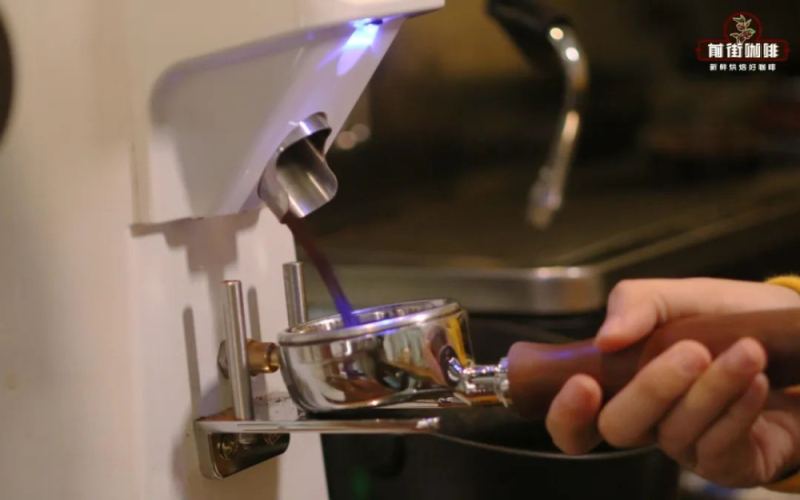
How does espresso grind size affect flavor? A guide to common setting references and adjustment approaches
Grind size is one of the key variables that determines the direction of coffee flavor, especially in the pressurized, short-extraction espresso system, where a tiny change in the setting can tip a shot from balanced to over-extracted or under-extracted. This article focuses on how grind size affects taste. It first explains why a standard sieve is needed to confirm the actual particle size, then compares the different tolerances for grind precision in pour-over versus espresso, and afterward gives beginners a two-step method to quickly lock in the espresso grind range, along with guidance on fine-tuning based on flavor feedback. The article also explains why Front Street Coffee recommends buying whole coffee beans rather than pre-ground coffee, helping readers build a daily grind-calibration management habit. [more…]
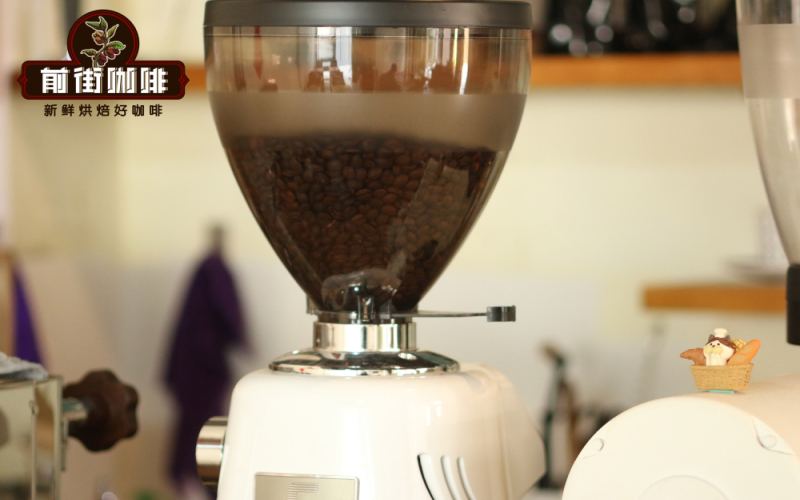
How do you adjust the grind setting for espresso? A complete approach from judging coarseness to calibrating flow rate
Espresso is ground much finer than pour-over, and the adjustment range is often just 0.1 of a notch, yet it is enough to determine whether a cup of coffee is too sour, too bitter, or just right. This article begins with how to judge grind size, explains why espresso cannot be calibrated with a sieve, how to narrow down the range through flow rate and taste, and introduces two beans suitable for recreating at home: Front Street Coffee Classic Espresso Blend and Front Street Coffee Strawberry Candy Espresso Beans. Finally, it offers adjustment strategies for when the flow is too fast or too slow, and how to combine flavor rather than rigidly adhering to formulas to find the truly suitable grind setting. [more…]
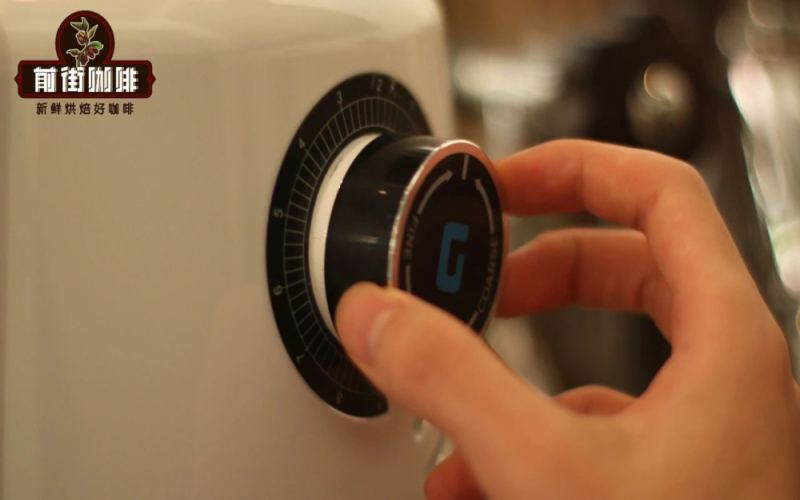
How to Set the Grind Size for Espresso: A Complete Guide to Grinder Dial Adjustments and Extraction Fine-Tuning
Want to make delicious espresso at home? Grind size is the most headache-inducing part. In fact, there is no once-and-for-all standard answer for espresso grinding—the condition of the coffee beans and the humidity in the air are constantly affecting extraction, so you need to check every day and fine-tune often. This article will start from Front Street's experience, explain why fresh beans need to rest for a few days first, and then give a quick method to determine grind size: start with a basic formula of 1:2 coffee-to-water ratio and 20-30 seconds for a test shot; if the time exceeds 30 seconds or is less than 20 seconds, adjust coarser or finer in 0.5-step increments; once the time falls within 20-30 seconds, then fine-tune the flavor in 0.2-step increments by tasting Americanos and lattes. Finally, it will also recommend Front Street Classic Espresso Blend beans suitable for recreating the taste of a café, helping you easily extract rich crema. [more…]
How to Adjust the Grind Setting for Espresso? A Practical Guide to Judging Fineness from Flow Rate and Flavor
Grind size has an enormous impact on coffee extraction results, and this is especially true for espresso. Compared with pour-over, espresso grounds are as fine as powdered sugar, and a slight deviation in the setting can cause the flow rate to be too fast or too slow, which in turn pushes the flavor toward either weakness or bitterness. This article focuses on how to determine a suitable grind range, how to fine-tune the setting based on flow rate and flavor, and how to flexibly apply extraction formulas, helping coffee lovers make consistently delicious espresso at home. It also draws on Front Street Coffee's daily production experience to give specific adjustment ranges and judgment criteria, and recommends Front Street's classic espresso blend beans, which are well suited to recreating a café-style flavor. [more…]
How Fine Should Espresso Grind Be? Master the Core Parameters to Quickly Calibrate Your Home Espresso Grinder
In the making of espresso, whether the grind setting is appropriate directly affects the extraction result, but many enthusiasts find that a dialed-in setting often "fails" after just a few days. The state of the coffee beans, air humidity, and even the freshness of the beans can all cause the same setting to behave completely differently. This article centers on the core question of exactly how fine espresso grounds should be ground, and provides a quick-start adjustment process: from setting the initial grind setting, applying the powder-to-liquid ratio and time formula, to fine-tuning in 0.2-step increments based on tasting results, gradually approaching the ideal flavor. It will also explain why espresso beans that are too fresh need to rest for a few days before use, and recommend Front Street Coffee's classic espresso blend to help you consistently recreate cafe-level espresso and milk coffee at home. [more…]
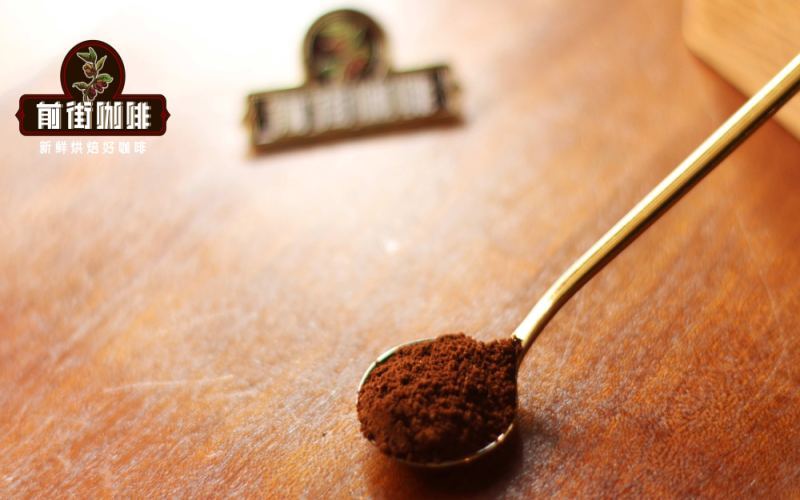
How to set the grind setting for espresso? The relationship between grind size and extraction time, and Front Street Coffee's approach to dialing in
Many coffee enthusiasts will find that different brewing methods require vastly different coffee ground sizes. A grind the texture of granulated sugar is commonly used for pour-over, French press, siphon, and cold brew, while espresso requires extremely fine particles somewhere between flour and muddy sand. Because this fine powder is difficult to measure by a fixed standard, in practice you often have to work backward from the extraction parameters to determine whether the grind setting is appropriate. This article centers on judging the grind setting for espresso, sorting out the correspondence between extraction time and grind fineness, explaining how to lock in the grinding direction by presetting the coffee-to-water ratio, pressure, and water temperature, and sharing Front Street Coffee's debugging logic when encountering an unfamiliar espresso bean or switching grinders, helping readers understand the complete adjustment process from parameter setting to flavor tasting. [more…]
Espresso Grinder Grind Size Adjustment Guide: A Complete Step-by-Step Process from Judging the Powder to Dialing In an Electronic Grinder
To pull a proper espresso, adjusting the grinder's grind setting is an unavoidable daily task. Why do cafes need to adjust the grind so frequently? How does the coarseness of the grounds affect water flow and extraction time? And how do you tell whether the grind is right? This article starts with why grind adjustment is necessary, then breaks down the specific tuning methods for ordinary grinders and electronic grinders, including the linked relationship between dose and grind level, the ideal gap between the puck and the water outlet, and other details, and shares practice ideas for water-to-coffee ratios, to help you consistently recreate a delicious espresso at home. [more…]
How do you adjust the grind size for espresso? A complete approach from finding the range to setting the scale
Espresso grinding is much finer than pour-over, and the adjustment window is extremely narrow—often just a fraction of a notch makes the difference, and the flow rate and flavor head toward two extremes. This article starts with how to determine the grinding range: first use the feel of the grounds to judge whether they are close to flour-like fineness, then apply the common formula of a 1:2 coffee-to-water ratio and 20–30 seconds to dial in, and decide whether to grind coarser or finer based on whether the flow is fast or slow. The article further explains that the formula is only a quick positioning tool, and ultimately you need to fine-tune based on flavor cues such as burnt-bitter notes, the color of the crema, and the length of the finish—even widening the ratio to between 1:1.5 and 1:2.5—to find the grind setting that truly suits that particular bean. [more…]
A Guide to Adjusting Espresso Grind Settings: The Complete Workflow from Flow Rate Diagnosis to Flavor Fine-Tuning
When making espresso, precise control of the grind size directly determines the quality of the final cup. Unlike pour-over or cold brew, espresso uses pressurized, short-duration extraction, where any slight deviation is magnified—making the demands on grind exceptionally strict. This article will walk you through just how fine an espresso grind really is, how to quickly lock in the right setting by observing flow rate, and how to make fine adjustments down to the 0.1-step level based on the flavor profile of the espresso. We'll also share recommendations for choosing Front Street Coffee's classic espresso blend beans, helping you easily recreate cafe-level rich espresso and velvety crema at home. [more…]
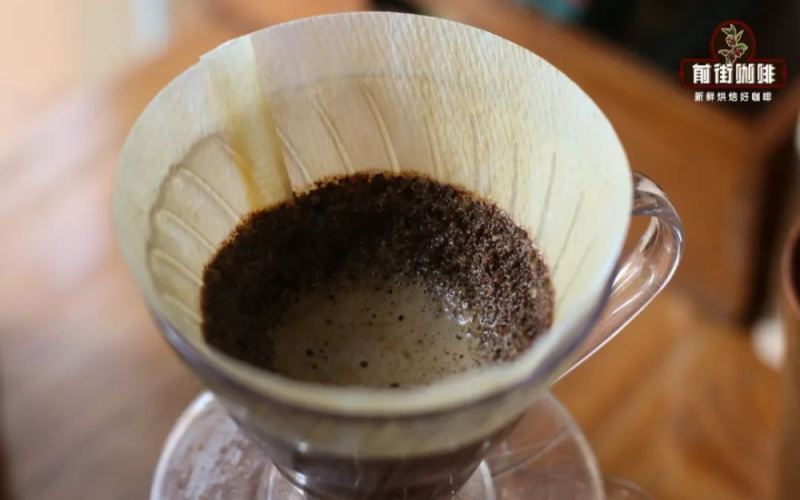
Analysis of the Reasons for Fast Pour-Over Flow Rate with Anaerobic Process Coffee Beans and Grind Adjustment Solutions
In the daily practice of pour-over coffee, many enthusiasts encounter a puzzling phenomenon: when brewing anaerobically processed coffee beans, the drawdown speed is noticeably faster than with regular washed or natural beans, and the extraction time can even be less than a minute and a half. What exactly causes this abnormal flow rate? Is it due to the inherent characteristics of the beans themselves, or is there a problem in the grinding stage? Starting from Front Street Coffee's actual measurement data, this article will take an in-depth look at how the loose texture and vigorous water absorption and degassing of anaerobic beans affect flow rate, and with the help of a comparison of the No. 20 sieve pass-through rate, reveal the deviation between the grinder setting and the actual coarseness of the particles. At the same time, the article will also provide targeted suggestions for adjusting the grind finer and a plan for adjusting the pouring technique, to help you steadily extract a rich, full-bodied cup of coffee even when dealing with anaerobic beans. [more…]
How to Determine the Espresso Grind Setting? A Quick Adjustment Approach from Under-Extraction to Over-Extraction
Every morning, the first hurdle a barista faces is often not latte art, but getting the taste of espresso back on track. Coffee bean conditions and weather are constantly changing, and extraction results fluctuate accordingly. How can you find the right grind setting using the fewest beans and the shortest time? This article starts from taste, first determining whether the espresso is under-extracted or over-extracted, then uses a 1:2 coffee-to-water ratio and an extraction time of about 30 seconds as the baseline framework, correcting flavor through fine adjustments to the grind size. The article also uses Front Street Classic Blend as an example to fully demonstrate the three-step dialing process—from 23 seconds of sharp acidity to 31 seconds of balance, then fine-tuning the yield to finish—helping readers build a reusable debugging logic. [more…]
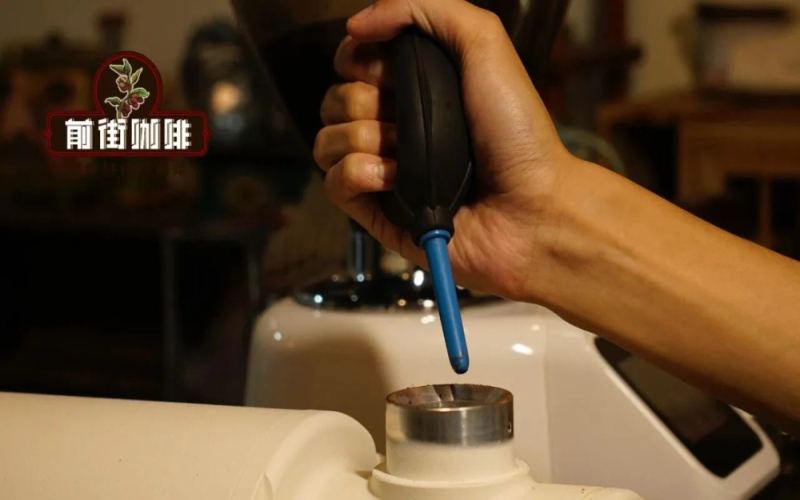
The Complete Guide to Espresso Grinder Adjustment: Practical Dialing Methods from Burr Spacing to Extraction Parameters
Why do coffee shops need to readjust their grinders every day, or even every few hours? The answer lies in the continuous degassing of coffee beans, the slow wear of the burrs, and environmental changes—all of which cause what seems like a fixed extraction recipe to gradually drift away from the ideal state. Drawing on the hands-on experience of Front Street Coffee, this article systematically explains the principles and steps of adjusting the grind setting on an espresso grinder: how to judge whether the grind size is appropriate, how to control extraction time by adjusting the grind setting, the linked relationship between the output volume and grind degree of an electronic grinder, and key details such as puck height and the coffee-to-water ratio. Whether you are a beginner who has just started exploring espresso or a professional hoping to refine your dialing-in skills, you will find practical operational guidance here. [more…]
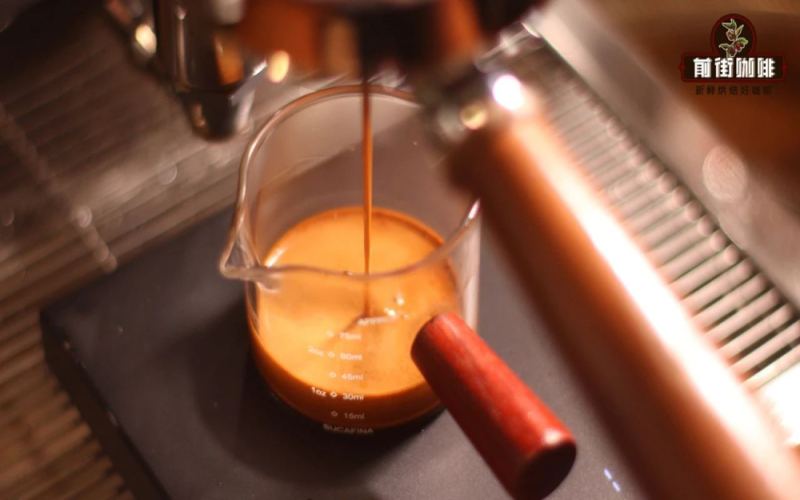
Espresso Extraction Recipe Adjustment Guide: From Grind Size to Dose-Yield Ratio, Quickly Find Great-Tasting Parameters
Making espresso at home with an espresso machine is most frustrating when it comes to dialing in parameters—one careless move and half a bag of beans is gone. Even professional baristas, when facing a new espresso blend, often need to pull seven or eight shots before finding a satisfying flavor. Actually, the key to taking fewer detours and quickly dialing in to a tasty state is to understand what impact each parameter change will bring. Based on Front Street Coffee's hands-on experience, this article sorts out the three major adjustable variables—grind size, dose, and yield—and, combined with the 1:2 brew ratio and 25-30 second extraction framework, teaches you how to judge the grind setting through timing differences, and gives specific adjustment directions for common problems such as burnt-bitterness and short aftertaste. [more…]
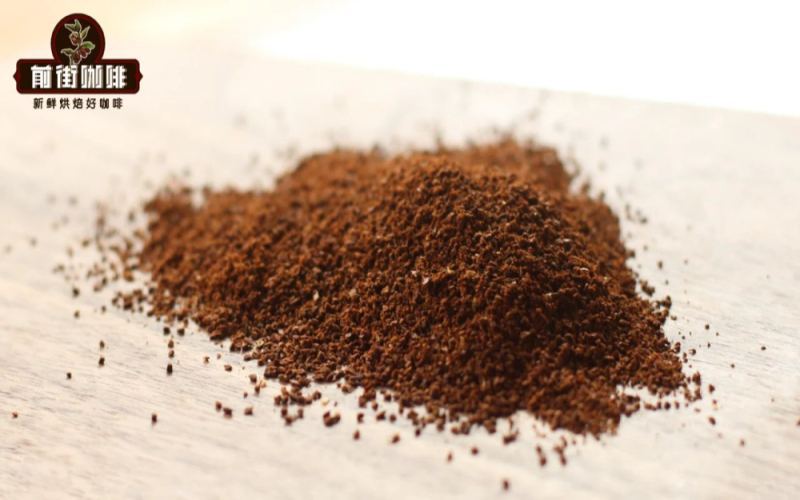
How Does Coffee Grind Size Affect Extraction? A Complete Analysis of Pour-Over and Espresso Parameter Adjustments
Grind size is one of the key variables determining coffee flavor. The finer the particles, the larger the contact area between hot water and coffee grounds, and the greater the resistance to extraction, which tends to prolong extraction time and increase the extraction yield; the coarser the particles, the opposite is true, and underextraction becomes likely. Different brewing devices have significantly different grind requirements, ranging from the flour-like extremely fine powder for a Turkish pot to the coarse particles for a French press, a very wide span. This article systematically sorts out the relationship between grind size, extraction time, and extraction yield, gives reference grind ranges for espresso and pour-over coffee, and, combined with Front Street Coffee's production experience, explains how to find a grind setting that suits you according to roast level and bean hardness, while also reminding you of the importance of daily maintenance of the grinder burrs. [more…]
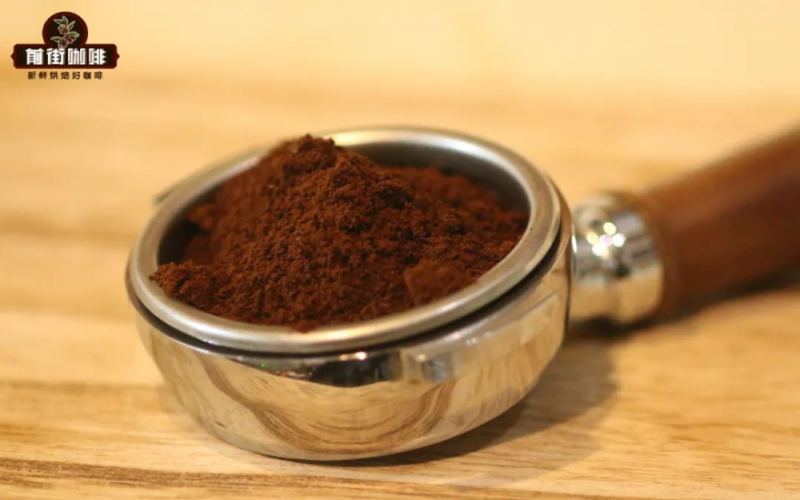
How to Precisely Control Espresso Grind Size? A Complete Analysis of Particle Size Range and Adjustment Methods
Grind size selection is a key factor determining coffee extraction quality. Because espresso uses high-temperature, high-pressure, short-time extraction, its requirements for particle fineness and uniformity are far higher than those of other brewing methods. This article will sort out the extraction principles of espresso from the beginning, explain why the grind particle size needs to be controlled within the 150–300 micron range, and detail how to calibrate the grind setting through flow-rate observation and taste judgment. It also provides specific daily grind adjustment steps, including debugging methods, coffee-to-liquid ratio references, and adjustment strategies for common problems such as bitter burnt notes, thin crema, and a short finish, helping coffee enthusiasts and professionals quickly find suitable grind parameters. [more…]
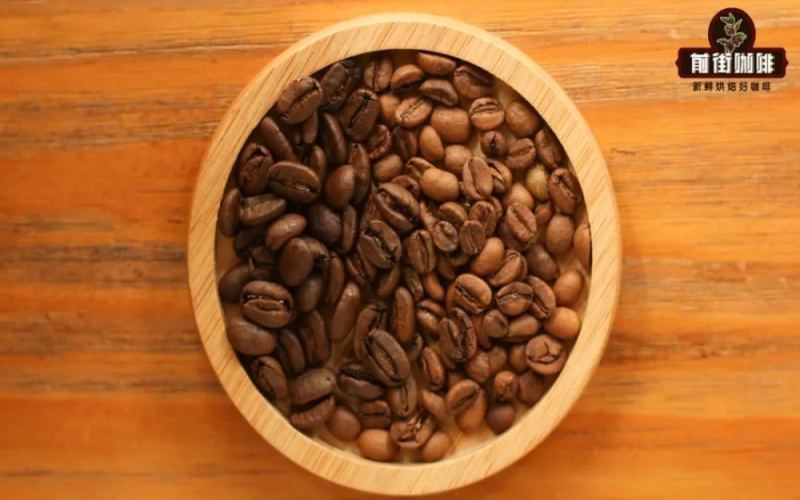
A Complete Breakdown of SOE Espresso Extraction Details: Grinding, Ratios, and Flavor Adjustment Techniques for Light-Medium Roast Espresso Beans
Making SOE with light-roasted beans is one of the more challenging aspects of espresso extraction. Drawing on the hands-on experience of Front Street Coffee, this article explains in detail how to set the extraction formula, how to adjust the grind setting according to the roast level, and provides troubleshooting approaches and adjustment plans for three common problems: sharp acidity with no lingering aftertaste, excessive bitterness from over-extraction, and thin crema. The core logic is: light-roast SOE requires higher extraction efficiency, and a brew ratio of 1:2 with a time of 30–35 seconds is a common starting point, but the final taste still depends on cupping judgment—fine-tuning the grind size and the yield are the keys that determine success or failure. [more…]